Why Safety Training Fades and What to Do the Day Before It Fails
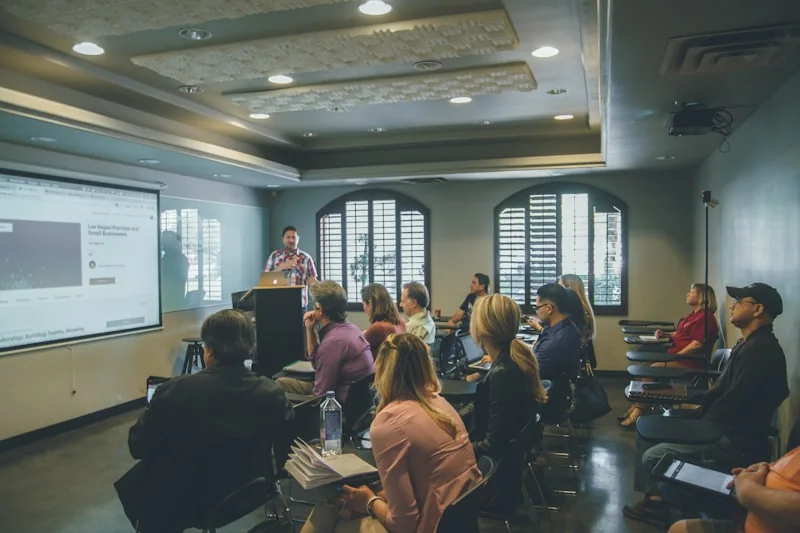
Monday morning after training feels good.
People nodded. The sign-in sheet is full. Supervisors repeat the key points. Someone even says, "That was actually useful."
By Thursday, the floor feels normal again.
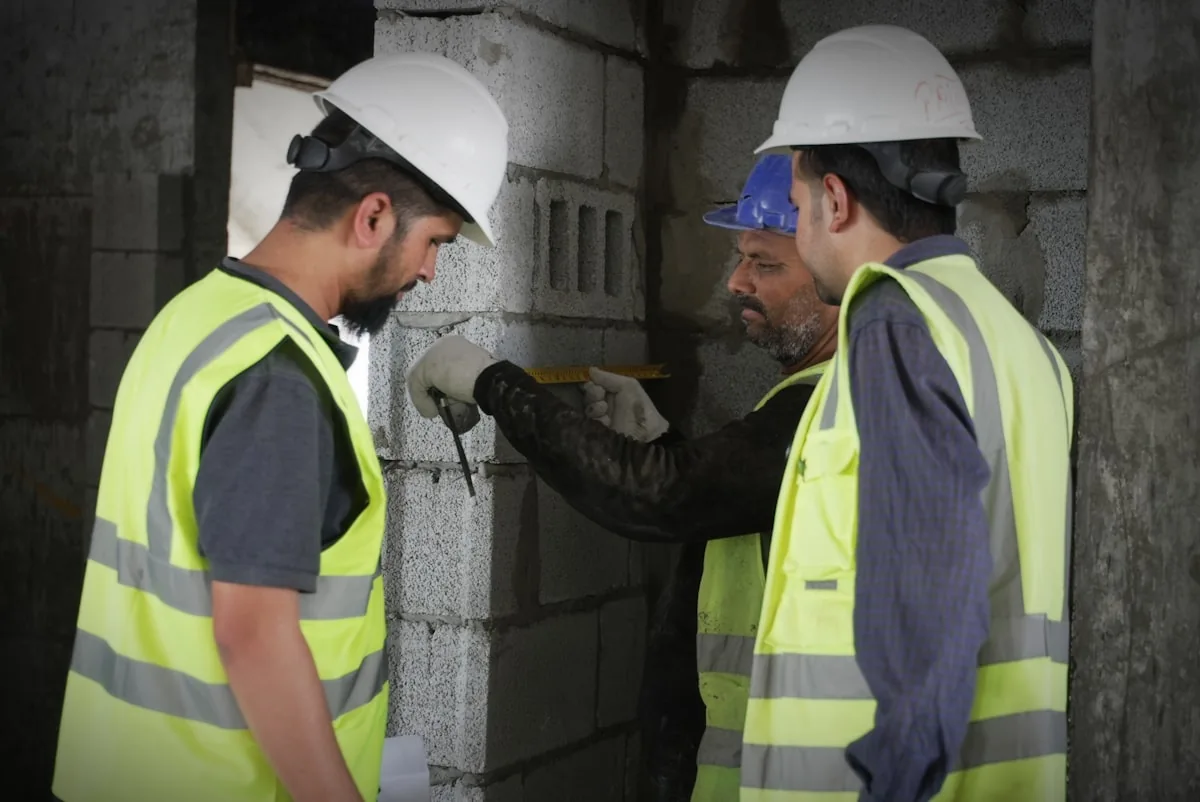
The same shortcuts show up. The same close calls whisper by. No one's ignoring safety on purpose. They're just back to work.
This is where most safety programs quietly lose ground. Not after the first incident. Before it.
Quick answer
Safety training fades because people don't get enough chances to practice new behaviors once real work pressure returns. Research shows skills and knowledge naturally decay without reinforcement, and OSHA recommends using leading indicators to spot risk before incidents occur. The fix is simple but deliberate: reinforce one or two critical behaviors, track proactive signals, and coach early, before drift turns into injuries.
Key takeaways
- Training is a starting point, not protection by itself
- Drift begins days before the first incident
- Leading indicators matter more than reminders
- Reinforcement works best when it's small, specific, and weekly
Why training fades even when people care
Most safety leaders blame attention.
"People forgot."
"They weren't paying attention."
"They didn't take it seriously."
That's rarely true.
What actually happens is more basic. People leave the classroom and return to a system that rewards speed, familiarity, and getting through the shift. If the new behavior isn't practiced right away, it loses ground fast.
Research on training and skill decay shows that without reinforcement, retention drops at a measurable rate over time. This is normal human behavior, not resistance.
If you plan for decay, you can prevent incidents. If you ignore it, you end up retraining after someone gets hurt.

The dangerous gap: after training, before incidents
Most organizations react when lagging indicators move.
A recordable happens.
A claim hits.
TRIR or DART gets leadership attention again.
OSHA makes a clear distinction here. Lagging indicators tell you what already happened. Leading indicators help you prevent what happens next.
The problem is that many teams don't define what to watch in the gap between training and injury.
That gap is where drift lives.
What drift actually looks like on the floor
Drift isn't dramatic. It's quiet.
- A pre-task scan becomes rushed
- A guard is bypassed "just this once"
- A supervisor means to coach but gets pulled away
- The new procedure is followed when watched, skipped when busy
None of this shows up in your incident log.
All of it predicts what will.

The "Day Before It Fails" playbook
This is a simple framework safety leaders can apply the week after training.
No new programs. No extra meetings.
Step 1: Pick the behaviors that prevent the incident
Not values. Not reminders.
Choose two or three observable actions tied directly to the risk you trained on.
Examples:
- Completing a 30-second hazard scan before starting work
- Setting equipment correctly before the first use
- Using the right body position on the first repetition
If you can't see it, you can't reinforce it.
Step 2: Track leading indicators that prove practice happened
OSHA describes leading indicators as proactive measures that drive safety improvements.
Good examples:
- Percent of crews confirming the pre-task scan happened
- Number of supervisors who completed one safety coaching moment this week
- Number of frontline stories describing a risk they noticed and corrected
Bad examples:
- Training hours
- Attendance
- Posters hung
Those measure effort, not behavior.
Step 3: Run a short reinforcement window
You don't need a 90-day campaign.
Run a 10-day reinforcement rhythm:
- Days 1-5: daily prompts focused on one behavior
- Days 6-10: prompts plus quick story capture
This keeps attention on practice, not memory.
This is the sustainment gap ProHabits is built to fill.
Step 4: Give supervisors a script, not a slogan
Supervisors don't need more responsibility. They need clarity.
Here's a script that works in under one minute:
"What's the part of this job that could hurt you today?"
"Show me your first step."
"What are you doing differently since the training?"
"Good. Keep that. If it slows the job down, we'll fix the process, not skip the step."
This is coaching before drift becomes discipline.

Step 5: Adjust weekly, not quarterly
Every Friday, review:
- Which behavior got practiced most
- Where participation dropped
- What obstacle keeps showing up
Then adjust the next week's focus.
This feedback loop is what turns training into safety sustainment.
Micro checklist: are we reinforcing or hoping?
Use this the week after training.
- ☐ Did we name the exact behaviors that prevent the risk?
- ☐ Are we tracking proactive signals, not outcomes?
- ☐ Do supervisors have a clear coaching script?
- ☐ Can frontline workers respond in seconds, not minutes?
- ☐ Are we adjusting weekly based on what we see?
If you answered "no" to two or more, drift is already starting.
A note for brokers and loss prevention teams
From a risk standpoint, training alone doesn't prove control.
What matters is evidence of follow-through. Reinforcement creates visible signals that a client is actively managing risk between audits and renewals.
This is why ProHabits shows up in loss prevention conversations. Not as a promise, but as a mechanism for seeing behavior before losses occur.
Where to start this week
Don't plan a new initiative.
Do this instead:
- Choose three behaviors tied to your highest risk
- Choose three leading indicators that show practice
- Give supervisors the one-minute script
- Run it for ten days
- Adjust based on what you see
Bottom line
Training is the spark. Reinforcement is what keeps people safe when work gets real.