Your Frontline Already Has Signals. Here's How to Read Them.

It's 7:10 a.m. The shift is starting.
One crew pauses before the job and talks through the setup.
Another skips the check and says, "We'll be careful."
A supervisor notices a shortcut, hesitates, then lets it go.
Nothing bad happens. Today.
Most safety leaders think signals show up after something goes wrong. In reality, the signals are already there. They show up in small behaviors, long before an incident report ever gets written.
If you want fewer incidents, the work isn't collecting more data. It's learning which signals matter and acting on them early.

Quick answer
Frontline safety signals are the small, repeatable behaviors that show whether risk is being actively managed. OSHA encourages the use of leading indicators, proactive measures that help identify and reduce risk before injuries occur. When leaders watch patterns in everyday actions instead of waiting for incidents, they can intervene while the risk is still manageable.
Key takeaways
- Signals appear before incidents, not after
- Silence is also a signal
- Leading indicators help prevent injuries when used consistently
- You don't need more dashboards, you need clearer patterns
The mistake most safety leaders make with data
Most organizations aren't short on information. They're short on meaning.
You likely already track:
- Near misses
- Observations
- Training completion
- Audits
- Incidents
The problem is that these live in different places and get reviewed after the fact. They don't help much when today's shortcut looks harmless.
OSHA draws a clear line here. Lagging indicators tell you what already happened. Leading indicators are meant to drive change before someone gets hurt.
Many teams collect leading indicators without deciding what they are actually watching for.
What real frontline signals look like
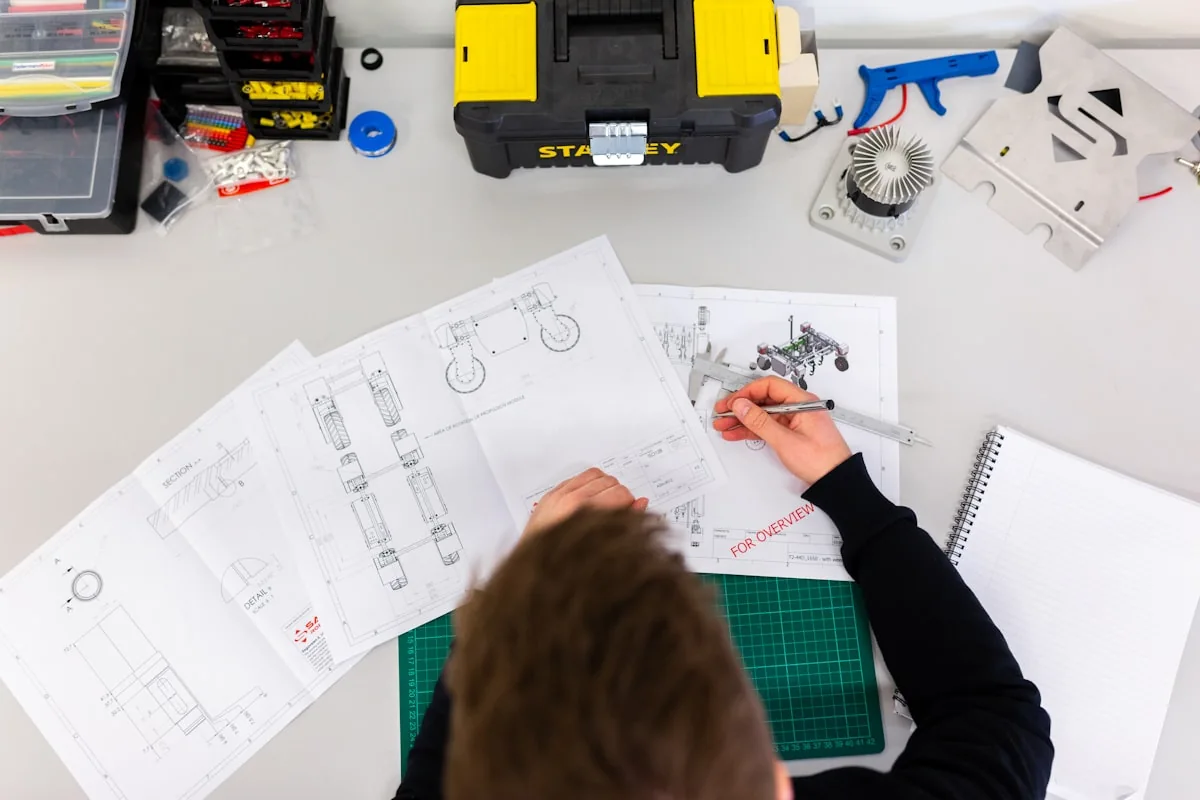
Signals aren't reports. They're behaviors you can see.
1. What people do first
The first step of a task tells you more than the last.
- Do people stop and scan the area?
- Do they set up equipment correctly before starting?
- Do they check energy sources or assume they're safe?
When the first step drifts, risk follows.
2. What people say under pressure
Listen for phrases like:
- "It's fine."
- "Just this once."
- "We don't have time."
- "I know, but..."
These aren't attitude problems. They're early warnings.
3. What stops getting reported
A drop in near-miss or observation reporting is rarely good news.
It often means:
- People don't see value in reporting
- People are rushing
- People want to avoid follow-up
Silence is a signal.
4. What supervisors coach or ignore
If supervisors consistently correct production issues but let safety shortcuts slide, the system has taught them what really matters.
That pattern predicts incidents better than any chart.
Why leading indicators matter for prevention
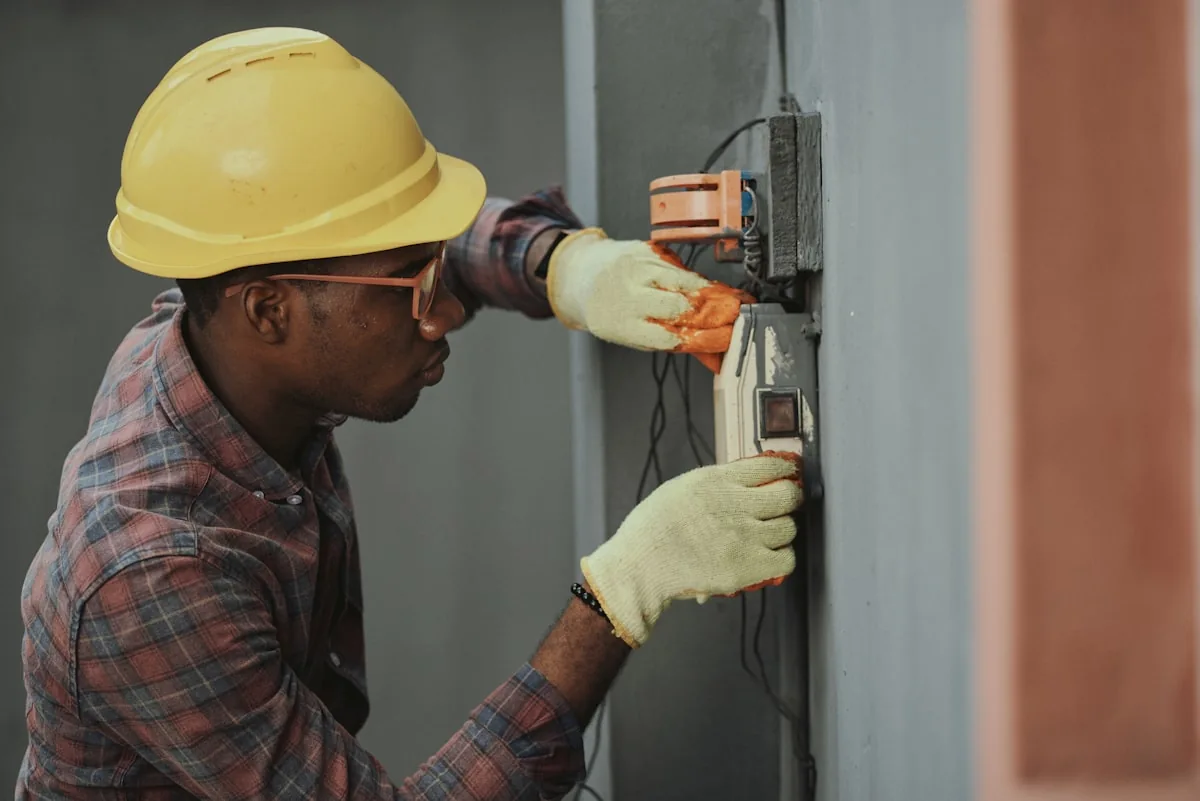
OSHA recommends leading indicators because they help identify hazards, unsafe conditions, and behaviors before injuries occur.
The National Safety Council reinforces this idea, noting that focusing only on injury rates misses the opportunity to address risk earlier, when it's easier and cheaper to fix.
Leading indicators answer a different question:
Not "What happened?"
But "What's starting to slip?"
Examples that actually help:
- Percent of jobs where a pre-task scan happened
- Number of short safety coaching moments completed this week
- Number of frontline stories describing a hazard that was noticed and corrected
These don't require perfection. They require consistency.
The Signal-to-Action Loop
Here's a practical way to turn signals into prevention instead of paperwork.
Step 1: Choose three signals tied to real risk
Not everything. Just three.
Examples:
- Pre-task hazard scans completed
- One supervisor coaching moment per shift
- One frontline story about a risk noticed and addressed
If it doesn't connect to a known hazard, drop it.
Step 2: Watch trends, not totals
One missed scan doesn't matter.
A pattern of missed scans does.
Look week over week:
- Participation rising or falling
- The same location drifting
- The same shortcut reappearing
That's where early intervention lives.
Step 3: Act small and fast
When you see drift:
- Adjust the next prompt
- Coach the next setup
- Fix the friction causing the shortcut
Don't wait for the monthly review. Drift compounds quickly.
Micro asset: a frontline signal rubric
Use this to decide what's worth tracking.
Ask three questions:
- ☐ Does this behavior happen before someone gets hurt?
- ☐ Can a supervisor influence it in real time?
- ☐ Does it repeat under pressure?
If the answer is yes to all three, it's a signal worth acting on.
If not, it's noise.
What to say when you spot drift
Keep it short. Keep it normal.
"I noticed we skipped the first check. What made that hard today?"
"Let's reset and do it the way we trained."
"If the process slows us down, we'll fix the process, not skip the step."
This keeps risk visible without blame.
How this reduces incidents over time
Research consistently shows that behaviors fade without reinforcement. Signals tell you where reinforcement is missing.
When leaders respond early:
- Shortcuts don't normalize
- Coaching happens before close calls
- Risk stays visible
- Incidents become less likely
That's prevention.
For brokers and loss prevention teams
From a risk perspective, strong signals matter more than polished reports.
Consistent leading indicators show that a client is actively managing risk between audits and renewals. That creates better conversations and earlier interventions.
Where to start this week
Don't add a new metric.
Do this instead:
- Identify three behaviors that prevent your top risk
- Decide what early signal shows those behaviors are slipping
- Give supervisors a simple coaching script
- Review signals weekly
- Act before silence turns into an incident
Bottom line
Your frontline is already telling you where risk lives. The sooner you listen, the fewer incidents you investigate later.
Third-party sources used:
OSHA - Leading Indicators guidance (authoritative U.S. safety regulator)
National Safety Council (NSC) - Research and guidance on proactive safety measurement and prevention